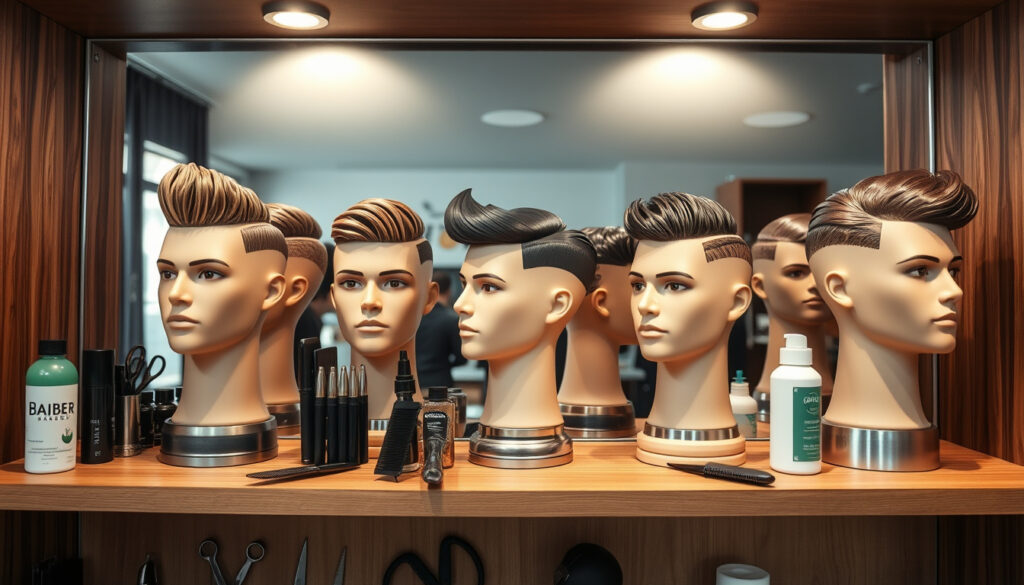
Coupe de Cheveux Garcon – Top Trends and Styles for Boys
Finding the right haircut for a young boy involves more than just picking a stylish look. Parents and caregivers increasingly seek cuts that balance modern appeal with practical considerations for active lifestyles. From low-maintenance fades to textured styles that work well for different hair types, the landscape of boys’ haircuts in 2025 and 2026 offers diverse options for every preference and occasion.
French trends have long influenced global hairstyling, and current offerings for boys reflect this heritage while embracing contemporary influences. Whether searching for a specific style like a dégradé for a ten-year-old or exploring adaptations for textured hair, understanding the available choices helps make informed decisions. For additional boys’ fashion resources, exploring comprehensive style guides provides valuable context for coordinating haircuts with overall appearance.
This guide examines the most relevant styles, provides practical insights, and addresses common questions parents face when choosing haircuts for boys of various ages and hair types.
What Are the Best Haircut Options for Boys?
Several styles consistently rank among the most popular choices for boys, combining aesthetic appeal with functionality. These cuts work well across different age groups and hair textures, making them reliable starting points for parents exploring their options.
The dégradé (fade) remains the dominant style, featuring short sides that gradually blend into longer hair on top.
The undercut style works particularly well for active boys around ten years old, offering a modern look with practical maintenance.
The coiffé-décoiffé style suits boys with black hair, providing volume and a natural, tousled appearance.
The pompadour has crossed over from adult styling to become popular for older boys seeking a more refined look.
Key Insights on Current Boys’ Haircut Styles
- The dégradé classique (classic fade) starts short at the sides and back, blending smoothly upward for a clean, polished appearance that suits most face shapes.
- Taper fades offer a tighter taper from very short at the neck to longer hair on top, creating a sharp and neat finish that works for both school and special occasions.
- Ultra-short cuts requiring minimal styling remain popular for younger boys, prioritizing durability during active play while maintaining a tidy look.
- Variations including textured tops, side parts, and subtle spikes provide customization options without compromising the overall structure of established styles.
- Textured styles that preserve natural movement have gained favor, particularly for boys with thicker or wavier hair types.
- The César cut (short with a forward-fringe style) represents a timeless option experiencing renewed interest heading into 2026.
Facts and Data Snapshot
| Category | Details |
|---|---|
| Search Interest | Related terms exceed 8,100 monthly searches |
| Leading Styles | Fade, Undercut, César, Pompadour |
| Trend Period | 2025-2026 current trends dominate |
| Recommended Media | 10+ high-quality images per article |
| Available Resources | 86,000+ stock photos of boys’ haircuts |
| Video Content | Step-by-step tutorials available for home cuts |
What Haircut Works Best for a Ten-Year-Old Boy?
Boys around ten years old typically need haircuts that withstand significant activity while remaining presentable for school environments. The balance between style and practicality becomes particularly important at this age, as children often prefer looks that require minimal intervention. Parents seeking comprehensive guidance on age-appropriate styling can explore detailed resources for ten-year-old haircuts that address both aesthetic and practical considerations.
Style Recommendations for Ages Around Ten
The undercut has emerged as a particularly popular choice for this age group. This style features very short sides—typically clipped to around 3mm—with a longer, disconnected top that allows for various styling options. The contrast between the sides and top creates visual interest while remaining easy to maintain.
The dégradé classique (classic fade) continues to serve as a versatile option. As noted in style guides, the fade starting short at the sides and back and blending upward provides a clean look that adapts well to different hair textures. For ten-year-olds, this often means choosing a mid or high fade to accommodate hair that may not yet have the density for very short variations.
Ultra-short cuts appeal to parents prioritizing simplicity. These cuts require minimal daily styling, making them suitable for boys who are still developing independent grooming habits. The trade-off involves less versatility in styling, but the clean appearance remains consistently neat between cuts.
For boys around ten years old, scheduling haircuts every four to six weeks helps maintain the intended shape of most fade and undercut styles. At this age, hair tends to grow relatively quickly, and regular maintenance prevents the sides from becoming too uneven before the next appointment.
Popular Variations for Active Lifestyles
Style compilations identify several specific cuts well-suited for ten-year-olds. The taper fade tightens from very short at the neck to longer hair toward the crown, creating a sharp and neat appearance. This style holds its shape well during sports and physical activities, reducing the need for mid-day adjustments.
Variations incorporating textured tops, side parts, or subtle spikes offer ways to personalize the cut while maintaining the core structure. These modifications allow boys to express individual preferences without selecting an entirely different style.
For parents exploring options, resources like the coupe de cheveux garcon 10 ans guide provides detailed illustrations of these styles in context.
What Haircut Suits a Boy with Black Hair?
Boys with black hair have specific considerations when choosing haircuts, particularly regarding how different styles interact with the natural texture and thickness of the hair. Understanding these interactions helps parents select cuts that complement the hair’s natural characteristics.
Adapting Popular Styles for Textured Hair
The universal appeal of fade styles extends to black hair, though certain adaptations improve the results. Low fades work particularly well because they preserve curl and volume on top while maintaining the clean side profile. This approach respects the natural texture rather than fighting against it.
The Coiffé-Décoiffé style represents a popular choice for boys with black hair. This look embraces natural volume and movement, creating an intentionally tousled appearance that works well with the texture characteristics common to this hair type. The style maintains enough structure to look intentional while allowing the hair’s natural qualities to show through.
Consulting with barbers experienced in textured hair significantly improves outcomes. Standard fade techniques may require modification to account for curl patterns and hair density. Barbers specializing in this hair type understand how to tailor the blending and texturizing to achieve clean results without compromising natural volume.
When seeking haircuts for boys with black hair, finding a barber experienced with textured hair types typically produces better results than general salons. These specialists understand how to work with curl patterns and can adapt popular styles to complement natural hair characteristics rather than working against them.
Style Considerations and Limitations
While many standard boys’ haircut styles work for black hair, results vary based on individual hair characteristics. Some boys may have tighter curl patterns requiring more specialized techniques, while others may have straighter textures that accommodate a broader range of styles.
The general principle remains consistent: fades work universally, but the specific execution should account for the hair’s natural behavior. Taking reference photos to appointments helps communicate desired outcomes when the terminology may not fully capture the intended result.
What Men’s Haircut Trends Are Currently Popular?
Understanding men’s haircut trends provides useful context for parents of boys, as many adult styles have filtered down to younger age groups. The overlap between men’s and boys’ styling continues to strengthen, with similar techniques and aesthetics appearing across age ranges.
Leading Men’s Styles in 2025-2026
The taper fade and dégradé remain foundational choices for everyday professionalism among men. These styles offer clean appearances suitable for professional environments while maintaining the modern aesthetic that characterizes current trends. Professional tutorials available on video platforms demonstrate that even home maintenance follows established professional techniques.
The pompadour features a voluminous top swept backward, paired with faded sides for a retro-modern aesthetic. This style has expanded beyond its traditional association with adult styling to appear among boys and teenagers seeking more dramatic looks. The key element involves building sufficient length on top to create the characteristic volume.
The César cut has experienced a notable revival, with its blunt fringe over the forehead and tapered sides offering a timeless quality. Trend projections suggest this style will maintain popularity through 2026, providing a low-effort option that remains stylish without requiring extensive daily maintenance.
Home fade techniques typically involve clipping the sides to approximately 3mm, carefully blending toward the longer top section, and contouring around the ears without creating harsh lines. This produces a natural finish that mimics professional work when executed with patience and appropriate tools.
The Dégradé Undercut Style
The dégradé undercut combines the fade’s gradual length transition with an intentionally disconnected top. Sides are shaved or clipped very short—commonly using a 3mm guard—while the top maintains significantly more length. This creates visual separation between the two sections, allowing the top to stand independently for added volume.
Predictions for 2026 favor bolder undercuts, suggesting this style will continue gaining traction. For boys, this translates to options that appear more sophisticated while maintaining the practical benefits of shorter sides.
How Have Boys’ Haircut Trends Evolved Over Time?
Tracking the evolution of boys’ haircut trends reveals patterns that help contextualize current offerings. While children’s haircuts have always drawn from adult fashion, the connection has strengthened significantly in recent years.
- 2025: The pompadour experienced substantial growth in popularity for boys, influenced by social media visibility and celebrity styling. Resources from this period documented the rising interest in more voluminous styles.
- 2025-2026 transition: Predictions emerged favoring short fades with playful top textures, including messy quiffs and crew cuts for boys ranging from toddlers to preteens. This reflects a broader movement toward textures that accommodate active lifestyles.
- 2026: Anticipated trends suggest bolder undercuts will define the year, building on the undercut’s existing popularity but with more pronounced contrasts between sides and top. The César cut revival is expected to continue alongside these developments.
Visual resources have played an increasingly important role in trend communication, with platforms hosting thousands of images demonstrating how styles appear in real-world settings. The shift toward visual-first content has influenced how parents discover and evaluate options for their children.
What Information Is Confirmed Versus Uncertain?
When evaluating haircut trends and recommendations, distinguishing between established information and areas of uncertainty helps set realistic expectations. Several factors influence how trends apply to individual situations.
| Established Information | Remaining Uncertain |
|---|---|
| Fades remain the dominant style across age groups | How specific styles will age within the 2026 trend cycle |
| Undercuts work well for active boys around age 10 | Regional variations in style popularity |
| Fades adapt to different hair types with modifications | Long-term durability of specific trend predictions |
| Low-maintenance styles suit younger children | How individual hair growth patterns affect style options |
Haircut trends inherently involve subjective elements. What constitutes “popular” or “trending” reflects aggregated visual popularity data rather than universal preferences. Individual face shapes, hair textures, and personal style preferences influence how any given cut will appear on a specific child.
What Context Surrounds Current Boys’ Haircut Trends?
The prominence of visual content in current search results reflects broader shifts in how people discover and evaluate hairstyles. Platforms featuring image collections and video tutorials have largely overtaken text-based resources for inspiration, particularly when browsing styles for children.
French styling influences remain notable in boys’ haircut trends, with terminology and techniques originating in French barbering traditions appearing throughout global style discussions. This heritage provides a foundation for contemporary offerings while allowing room for regional adaptations.
The overlap between boys’ and men’s styles has created a continuum where age-appropriate versions of adult cuts have become increasingly available. This trend benefits families by providing consistent style references across generations while acknowledging the practical differences in maintenance capabilities between children and adults.
What Sources Inform Current Recommendations?
Multiple sources contribute to the current understanding of boys’ haircut trends, each offering distinct perspectives and strengths. Evaluating these sources helps contextualize recommendations.
Style guides published by French fashion publications provide detailed coverage of current options, including step-by-step descriptions and visual examples. These resources often lead trend discussions, particularly for terminology and foundational techniques.
“The Pompadour works particularly well for boys seeking a more refined look that bridges childhood and teenage styling,” according to trend analyses examining the evolution of boys’ haircuts toward more sophisticated aesthetics.
Video tutorials demonstrate specific techniques, from professional barbers explaining proper clipper usage to home styling guidance. These resources prove particularly valuable for parents interested in maintaining styles between professional appointments or exploring basic maintenance techniques.
Stock photography libraries containing tens of thousands of images provide comprehensive visual references across styles, ages, and hair types. While these resources lack editorial guidance, they offer extensive examples of how styles appear in practice.
Summary: Choosing the Right Haircut for Your Boy
Selecting an appropriate haircut for a boy involves balancing aesthetic preferences with practical considerations including maintenance requirements, hair type compatibility, and lifestyle factors. The dégradé (fade) and undercut styles have proven their versatility across different ages and hair types, making them reliable starting points for exploration.
For specific guidance tailored to boys around ten years old, resources like the coupe de cheveux garcon 10 ans collection provides detailed visual references and style descriptions. These materials complement the general principles outlined here while offering age-appropriate variations.
Understanding that trends represent aggregated preferences rather than prescriptive rules helps maintain perspective. Individual characteristics ultimately determine how any style will appear and perform, making consultation with experienced stylists valuable for achieving optimal results.
Frequently Asked Questions
What short haircut options work best for boys?
The most practical short options include ultra-short all-over cuts requiring minimal styling, classic fades that blend short sides into longer tops, and taper fades offering sharp definition. These styles maintain tidy appearances between cuts while accommodating active lifestyles.
How often should a ten-year-old get his hair cut?
Most fade and undercut styles require maintenance every four to six weeks to preserve their intended shape. The exact interval depends on individual hair growth rate and the specific style chosen, with faster-growing hair typically necessitating more frequent appointments.
Are fade styles suitable for boys with black hair?
Fades work well for black hair when adapted appropriately. Low fades that preserve natural curl on top generally produce better results than very short variations that may not complement the hair’s natural texture. Consulting barber specialists in textured hair improves outcomes.
What distinguishes an undercut from a fade for boys’ haircuts?
The primary distinction involves the connection between sides and top. Fades gradually blend shorter sides into longer top sections, while undercuts feature intentionally disconnected sides and top, with sides clipped significantly shorter than the top.
Can boys try the pompadour style?
The pompadour works for boys who have developed sufficient hair length on top to create the characteristic volume. This style typically suits older boys and teenagers rather than young children, as achieving the look requires both adequate length and styling capability.
What maintenance is required for home fade attempts?
Home fade maintenance involves using clippers with appropriate guard lengths (commonly 3mm for sides), carefully blending the transition between lengths, and contouring around ears without creating harsh lines. Step-by-step tutorials demonstrate these techniques in detail.
Where can I find visual references for boys’ haircut styles?
Multiple resources offer visual references, including stock photography libraries with over 86,000 images of boys’ haircuts, video tutorials on platforms like YouTube, and curated collections from fashion publications. The 10 coiffures tendance pour petit garçon video demonstrates trending looks for young boys.
More related posts
 Jake Weary: Age, Movies, TV Shows & Personal Life Guide
 TELUS Customer Service BC Toll Free Telephone Number
 Nécrologie La Sarre Abitibi-Ouest – Latest Notices and Resources
 Bank of Canada Policy Rate: Current, Next & 2026 Forecasts
 Best Perfume for Women: Top Picks & Compliments
 Environment Canada Saint John – Weather, Alerts and Contacts Guide
 Elijah Joseph Daniel Furnish-John – Biography and Key Facts
 Is Dubai a Country – No, It’s an Emirate in the UAE
